
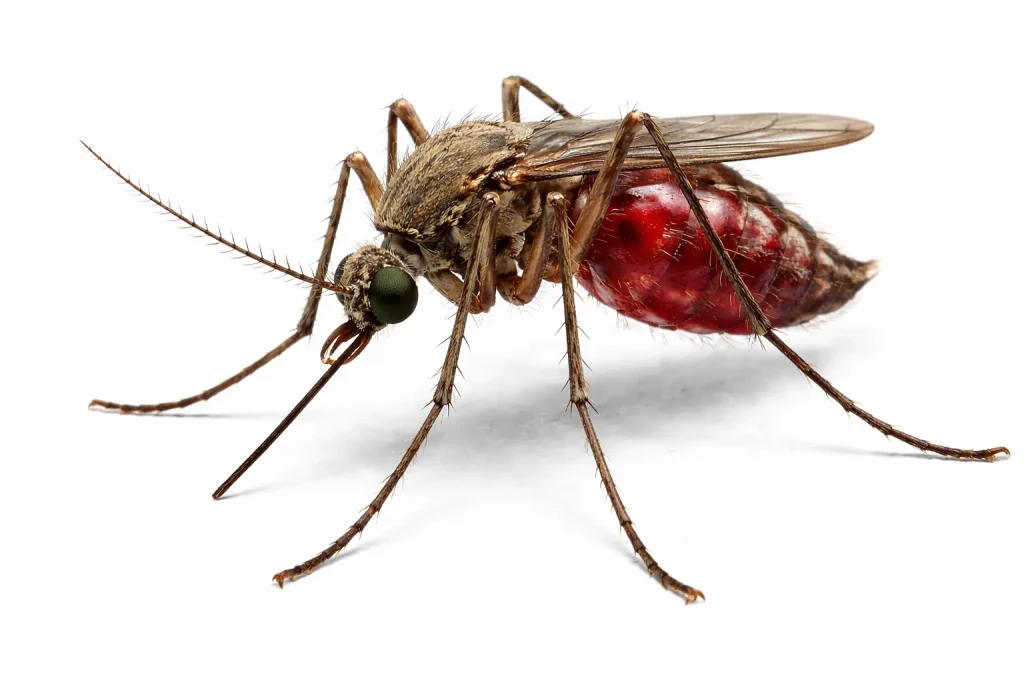
There is nothing quite like a summer evening on the Highveld. The afternoon thunderstorm clears, the air cools down, the fire is lit for a braai, and then—the unmistakable, high-pitched whine cuts through the twilight. Within minutes, your relaxing outdoor sanctuary turns into a battlefield.
If you are a local homeowner, finding ways to achieve effective mosquito control in Johannesburg is likely at the top of your summer to do list. Aside from causing itchy, inflamed bites that can ruin an evening outdoors, mosquitoes are a persistent nuisance that requires a strategic approach to manage.
Reclaiming your outdoor space means understanding why our gardens become insect hotspots and taking specific, high-impact steps to get rid of mosquitoes in your garden in JHB.
Why Highveld Summers Cause a Mosquito Spike
Johannesburg’s climate is unique, and unfortunately, our summer weather pattern creates the ultimate incubator for biting insects.
The Highveld is famous for its dramatic afternoon downpours followed by intense, baking sunshine. This combination of heavy rainfall, high humidity, and warm temperatures (typically between 25°C and 30°C) dramatically accelerates the insect lifecycle. Under these ideal conditions, a mosquito can develop from a tiny egg into a fully airborne, biting adult in as little as six to ten days.
Because our winter is completely dry and cold, the sudden explosion of moisture and heat in November and December catches many homeowners off guard. By the time you notice the swarms, several generations of insects have already hatched in your backyard.
The Hidden Standing Water Risks in Your Garden
To stop the cycle, you have to look at the water. The first three stages of a mosquito’s life egg, larva (the “wrigler”), and pupa—happen entirely in water. If you eliminate the water, they cannot grow wings.
Many people assume these pests only breed in dirty, stagnant swampland, but the reality is that they are highly opportunistic. The species most common in residential suburbs can lay eggs in both clean and dirty water.
Take a 15-minute walk around your property this weekend and check these common, hidden breeding grounds:
- Flowerpot Saucers: The plastic trays beneath your potted patio plants trap small amounts of water that can host dozens of larvae.
- Slightly Blocked Gutters: Falling leaves from jacarandas or oak trees easily clog gutters, creating tiny, elevated swimming pools after a storm.
- Unused Swimming Pool Covers: Rainwater that puddles on top of a plastic pool cover is a major breeding hazard because it warms up quickly in the sun.
- Bromeliads and Large-Leafed Plants: Certain tropical garden plants have thick leaves that naturally hold small pockets of water right in the shade.
- there are also forgotten items: Empty dog bowls, kids’ toys left lawn-side, watering cans, and blocked garden drains.
The Golden Rule: According to pest management data, systematically eliminating standing water around the yard at least once a week can reduce the adult insect population by up to 70%.
Professional Mosquito Control JHB: The Two-Pronged Attack
If your property is bordered by dense greenbelts, natural ridges, or neighbors with unmaintained pools, DIY efforts might not be enough. That is when a professional pest control program becomes necessary.
A certified team targets the insects at two entirely different stages of their lifecycle to break the population loop.
1. Larviciding (Stopping the Problem at the Source)
Instead of waiting for the bugs to fly, technicians apply specialized larvicide treatments directly to water sources that cannot be drained—such as large ponds, deep stormwater drains, or permanent water features. These targeted products specifically kill the “wriggler” larvae before they mature, without harming garden birds, fish, or pets.
2. Specialized Fogging and Misting
For immediate relief from a heavy infestation, professionals use Ultra-Low Volume (ULV) misting or thermal fogging. This process disperses a fine mist of biodegradable insecticide deep into dense foliage, under structures, and into the shaded thickets where adult insects rest during the hot midday hours.
What Residents Can Do Between Treatments
Professional treatments provide an excellent, long-lasting barrier, but keeping the numbers down throughout a long Gauteng summer requires ongoing garden maintenance.
Keep Your Shrubbery Trimmed
Adult insects are weak fliers and hate the hot, direct sun. During the day, they hide in tall grass, dense weeds, and overgrown bushes where the humidity is high. By keeping your lawn short and thinning out dense undergrowth, you remove their daytime resting zones.
Introduce Natural Deterrents
While not a complete fix on their own, certain plants possess intense fragrances that naturally interfere with an insect’s ability to smell potential targets. Plant these near your outdoor patio or braai area:
- Citronella Grass & Lavender: Their strong oils mask the scents that draw bugs in.
- Marigolds: These flowers contain a natural compound often utilized in organic insect repellents.
Introduce Predators to Ponds
If you have a garden pond, ensure the water is constantly moving with a pump or fountain. If that isn’t possible, stock the pond with goldfish or native minnows, which will happily eat any larvae that appear on the surface.
Reclaim Your Braai Evenings
You shouldn’t have to retreat indoors the moment the sun goes down. By tackling standing water weekly and utilizing target treatments, you can dramatically cut down the swarm.
If you are tired of constant buzzing and want a comprehensive, seasonal plan to get rid of mosquitoes in your garden, contact a local registered specialist today for expert mosquito control Johannesburg services.